
The Secret Second Half of August: Why Late-August Is Aruba’s Best-Kept Deal
If you’ve ever priced out a trip to Aruba in July and quietly closed the browser tab, you’re not alone. Peak summer rates on “One Happy Island” can feel like a splurge reserved for honeymoons and milestone anniversaries. But there’s a two-week window every year that seasoned Caribbean travelers have started treating like an open secret: the back half of August. Aruba late August deals.
While most of the internet is still talking about June and July as “summer in Aruba,” savvy travelers already know that the period between August 15 and August 31 is when the island quietly transforms. European families head home for the start of the school year, North American vacationers wind down their own summer breaks, and resorts that were booked solid just weeks earlier suddenly have rooms to spare. The result is a stretch of days where Aruba looks and feels the same as it did in July — same turquoise water, same 300-plus days of sunshine, same laid-back Dutch Caribbean charm — but costs meaningfully less to experience.
This guide breaks down exactly why late August has become one of the smartest times for US travelers to book Aruba, what the actual savings look like, and how to make the most of a trip during this quietly excellent stretch of the calendar.
Why Late August Is Different From the Rest of Summer
To understand why the back half of August is such a sweet spot, it helps to understand what happens during the rest of the season. July and August together bring the heaviest wave of American and Canadian families to the island, largely because they line up with summer school breaks. Resorts along Palm Beach fill up with kids’ programs running at full capacity, restaurants require reservations further in advance, and hotel pricing reflects all of that demand.
Then, almost like clockwork, the crowd thins. European visitors — a significant share of Aruba’s international arrivals — head home as their own school calendars restart in late August. Around the same time, many American families are wrapping up their own summer travel before classes resume in September. The overlap creates a short but very real lull in demand, even though the weather, water temperature, and island atmosphere haven’t changed at all.
Hotels respond the way hotels always do: they adjust pricing to fill rooms. Industry reporting on the island’s high season has noted that rates during the last two weeks of August can drop by roughly 30 to 40 percent compared to peak pricing earlier in the summer. That’s not a minor discount — it’s the difference between a beachfront room being a stretch and being genuinely accessible.
The Hurricane Question, Answered
Any conversation about Caribbean travel in August inevitably runs into the same concern: isn’t this peak hurricane season? It’s a fair question, and it deserves a straight answer.
August is statistically the most active month for Atlantic hurricane formation. That part is true, and it’s exactly why so many Caribbean destinations see softer demand and prices this time of year. But Aruba occupies a genuinely different position on the map than islands like the Bahamas, Puerto Rico, or the Virgin Islands. Sitting at roughly 12.5 degrees north latitude, Aruba is located well south of the traditional hurricane belt, and the vast majority of August storm systems track well north of the island. There have been zero major hurricane strikes recorded on Aruba during the month of August in its recorded history, and the island has been directly hit by a major hurricane only twice in recorded history overall.
This geographic quirk is a big part of why Aruba has built its identity around being a reliable, “worry-free” island getaway, even during the exact months when other Caribbean destinations post hurricane warnings. For US travelers who want the deals that come with off-peak Caribbean timing without the actual off-peak risk, Aruba’s position outside the hurricane belt is arguably its single biggest structural advantage.
What the Savings Actually Look Like
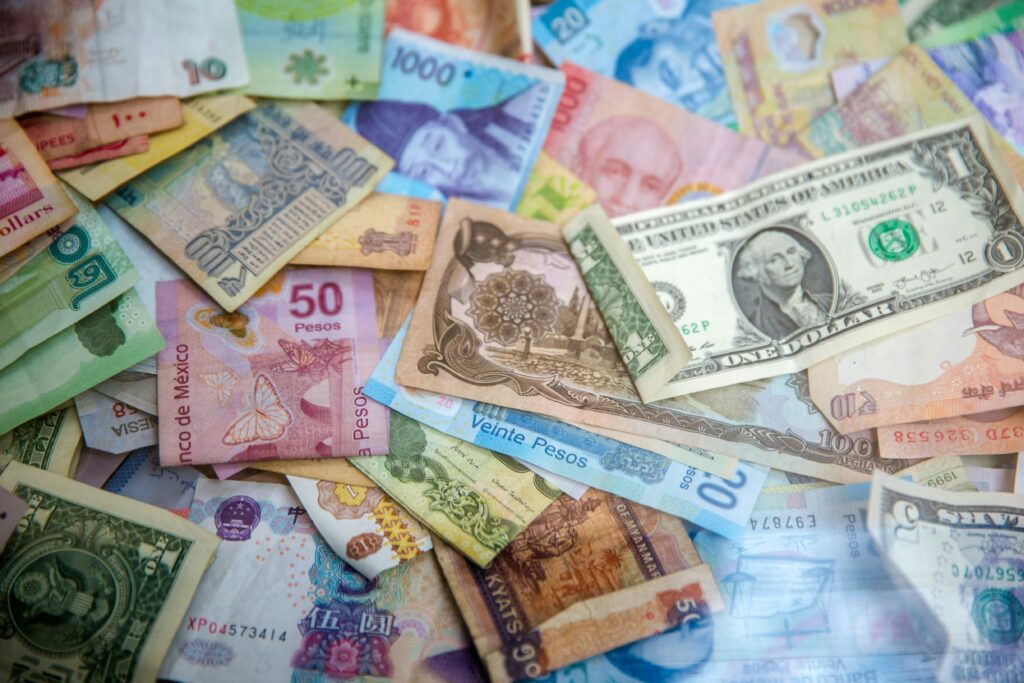
Numbers make this easier to picture. Current vacation-package listings show Aruba trips available from well under $1,000 per person when flights and hotels are bundled, with some packages appearing from the $700 to $800 range depending on travel dates and the specific hotel selected. Flight searches for late-August departures from major US gateways — including nonstop routes from cities like Miami and Newark — have turned up round-trip economy fares in the $340 to $360 range on major carriers, a noticeably lower price point than the fares typically seen during the heart of summer.
Booking a flight-and-hotel package rather than each piece separately tends to unlock additional savings as well, with several major travel sites advertising bundle discounts on top of already-reduced Aruba late August deals base rates. None of this means Aruba becomes a rock-bottom budget destination overnight — it’s still a premium Caribbean island with premium resort options. But relative to its own peak pricing just weeks earlier, late August represents one of the more meaningful discount windows of the entire year, without the trade-off of traveling during the island’s genuinely rainy or unpredictable stretches, because Aruba largely doesn’t have one. Aruba late August deals.
What You Actually Get for the Lower Price
The value of late August isn’t just about the number on the receipt — it’s about the experience shifting to match a smaller crowd.
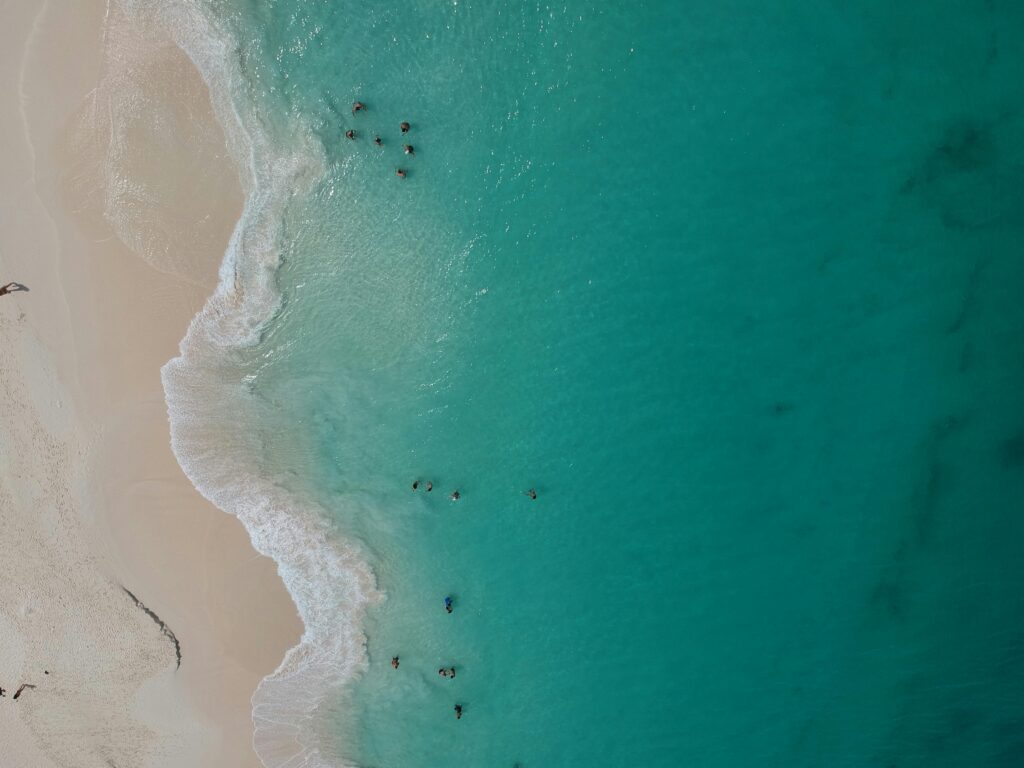
Emptier beaches. Eagle Beach, consistently ranked among the best beaches in the Caribbean for its powdery white sand and calm, swimmable water, tends to have noticeably more open loungers at midday during this window compared to the packed rows seen in July. The same goes for Palm Beach, which stays lively but loses some of its peak-season density.
Easier reservations. Restaurants across Palm Beach, Eagle Beach, and downtown Oranjestad that require booking days or weeks ahead in high season often have same-day availability during the last two weeks of August. That matters for travelers who prefer to plan meals spontaneously rather than lock in dinner reservations before they’ve even landed.
Smaller tour groups. Popular excursions like catamaran sunset cruises, snorkeling trips to spots like Boca Catalina and Mangel Halto, and Jeep tours out to the Natural Pool tend to run with noticeably fewer passengers late in the month — sometimes six to ten people instead of the twenty-plus that fill boats during peak weeks. Smaller groups generally translate to more personal attention from guides and less waiting around.
More attentive service. With occupancy down, resort staff — from front desk to pool attendants — typically have more bandwidth per guest. Travelers who’ve visited during both peak and shoulder weeks often describe this as one of the more noticeable, if less quantifiable, differences.
Warm, clear water at its peak. Water temperature in Aruba runs warmest in late summer, generally in the mid-80s Fahrenheit, which is good news for anyone planning to spend serious time snorkeling. The window when the island is quietest overlaps almost exactly with the window when the water is at its best for time in the sea.
The Trade-Offs Worth Knowing About
Late August isn’t a flawless secret, and it’s worth being upfront about the two real trade-offs.
First, heat. August is Aruba’s hottest month, with daytime highs reaching into the high 80s and occasionally touching 90°F. The island’s steady northeast trade winds do a lot to make that heat feel more comfortable than the raw number suggests, but midday sun between roughly 11 a.m. and 3 p.m. is genuinely intense. Travelers accustomed to visiting during Aruba’s cooler, breezier winter and spring months should plan around the hottest hours rather than fight them — think beach mornings, indoor or shaded midday activities, and sunset dinners.
Second, some smaller, locally owned restaurants and independent tour operators take their own vacation breaks in late August, since it’s a natural lull for them too. This is rarely a dealbreaker given how many dining and activity options the island has, but it’s worth checking specific restaurant hours in advance rather than assuming every spot on a “best of” list will be open the exact week you’re there.
Who Late August Is Best For
This window tends to be an especially strong fit for a few types of travelers. Couples looking for a romantic, lower-key version of Aruba without paying peak-July prices will find the quieter beaches and available dinner reservations work in their favor. Budget-conscious travelers who still want a “real” Caribbean island experience — rather than a compromise destination — get access to Aruba’s full appeal at a meaningfully reduced cost. And flexible travelers without school-age children have the freedom to take advantage of a discount window that exists specifically because families with kids are exiting the market at that exact moment. Aruba late August deals.
Families with young children can absolutely still enjoy late August, but it’s worth noting that some of the more elaborate kids’ programming at resorts scales down slightly as the family-heavy weeks of July and early August wind to a close.
How to Book Smart for Late August
A few practical steps make a meaningful difference when targeting this window. Aim specifically for travel dates between August 15 and August 31 rather than “late summer” generally, since pricing tends to shift noticeably even within the month. Compare bundled flight-and-hotel packages against booking each piece separately, since bundle discounts have been running on top of already-reduced late-August rates on several major travel sites. Book accommodations along Eagle Beach or Palm Beach for the best mix of beach access and proximity to restaurants and nightlife, and consider reaching out directly to smaller tour operators to confirm they’re operating during your specific travel week before finalizing plans.
Flexibility on exact departure and return dates within that final two-week stretch can also help travelers land the lowest available airfare, since prices can vary meaningfully even day to day during a shoulder-season window like this one. Aruba late August deals.
The Bottom Line
Aruba’s reputation as a reliable, sunshine-guaranteed Caribbean escape doesn’t disappear in August — if anything, the island’s position outside the hurricane belt makes it one of the few Caribbean destinations where late-summer travel doesn’t come with real weather risk. What changes is simply the crowd, and with it, the price. For US travelers willing to time a trip for the back half of the month rather than the front, late August offers a rare combination: peak-season weather and water conditions, paired with shoulder-season pricing and a noticeably quieter island. It’s not a loophole that will last forever as more travelers catch on, but for now, it remains one of the better-kept timing secrets in Caribbean travel.


0 Comments